Category · 7 stories
DeFi
Decentralised finance rewards people who read the contract, not the marketing. We cover lending markets, DEX liquidity, restaking and real-world assets with a bias towards the mechanics — where the yield comes from, who can change the parameters, and what happens when the collateral falls.

DeFi lending TVL tops its prior-cycle high as real-world collateral expands
Total value locked in DeFi lending has climbed past its previous cycle peak, but the headline number hides a structural shift: a growing share of that collateral now lives off-chain, changing the risk in ways TVL was never built to show.

Restaking protocol caps new deposits amid concentration concerns
A leading restaking protocol has paused new deposits, a defensive move that spotlights the correlated-slashing and concentration risks lurking beneath one of DeFi's fastest-growing designs.

Decentralized exchanges capture a growing share of spot volume
On-chain venues are steadily taking spot-trading business that centralized exchanges once dominated. The mechanics of automated market makers, plus self-custody and open listing, explain why, and reveal what the shift costs traders.

A liquid staking token briefly depegs, then recovers
A liquid staking token slipped below the value of the assets backing it, then snapped back within hours. The wobble was a liquidity event, not an insolvency, and knowing the difference is the whole story.

The case against chasing yield: where DeFi returns really come from
Every double-digit DeFi yield is a bill for a risk someone decided you should carry. Here is how to trace where the money actually comes from, and how to tell a real return from dilution in disguise.
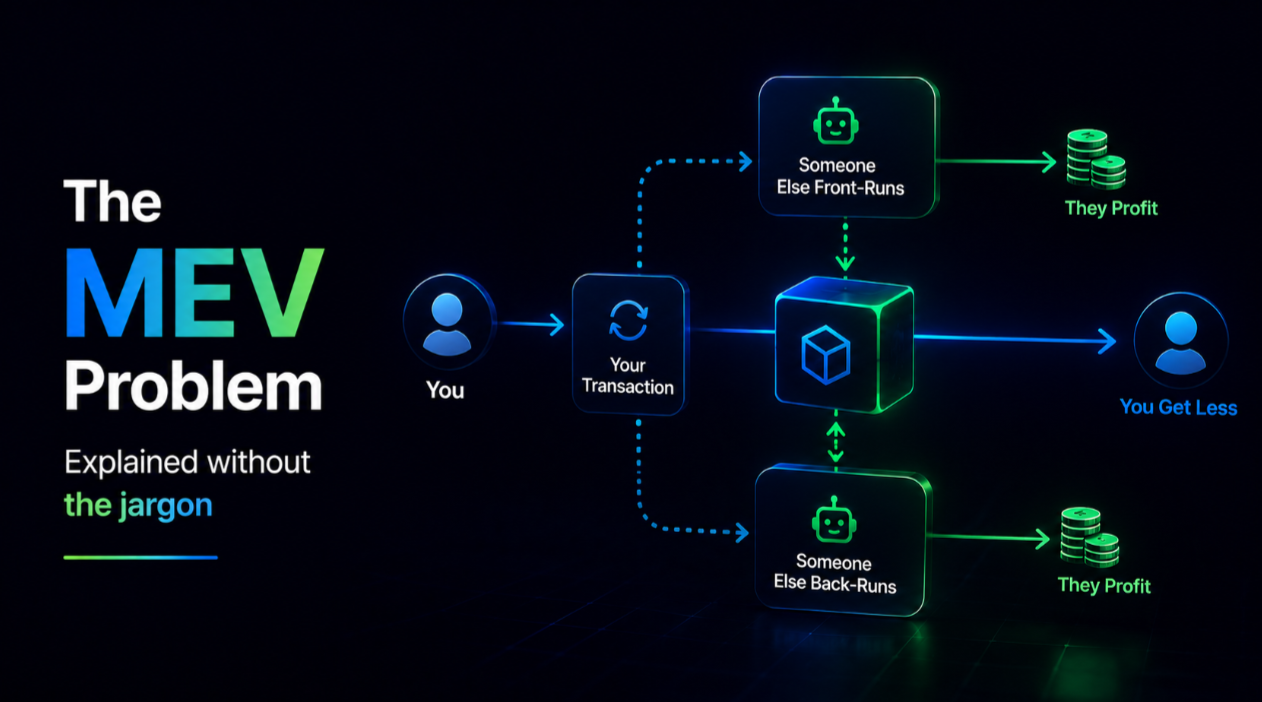
The MEV problem, explained without the jargon
Every on-chain trade passes through an invisible auction that decides how much value gets extracted from it. Here is how block-ordering power works, and how to defend against it.

What restaking is, and the risk nobody likes to mention
Restaking lets the same staked ETH secure many services at once. The capital efficiency is real, and so is the correlated, systemic risk it quietly threads through DeFi.