Hardware wallet or software wallet: how to decide
The threshold is not an amount. It is whether you can read what you are being asked to sign — and that is a question about the device, not about you.

Hardware wallet or software wallet: how to decide
A hardware wallet protects you from a compromised computer. A software wallet does not, and cannot. That is the whole difference — and it matters less than most people assume, because the losses in self-custody are dominated by a failure neither category fully solves: approving a transaction you could not read.
What each one actually does
Both types store a private key and sign transactions with it. The difference is where the key lives and where the signing happens.
- A software wallet keeps the key on a general-purpose device — your phone or laptop — and signs there. If that device is compromised, so is the key.
- A hardware wallet keeps the key on a device that does one thing, and signs there. Malware on your computer can ask it to sign, and cannot extract the key. The device shows you the transaction and requires a physical button press.
That last sentence is where the real security lives, and where devices differ enormously.
Blind signing: the failure that actually happens
If a device cannot render a transaction into something a human can check, you are pressing confirm on a hex blob and trusting the screen that asked you to. This is how people with hardware wallets still lose money.
The device that tops our hardware wallet rating wins on exactly this criterion. Coldcard Q shows you every output, every time, with no exceptions — and it can make that promise because it is Bitcoin-only, so every transaction it will ever see fits a format it can fully parse. A general-purpose device handling arbitrary contract calldata cannot make the same promise, which is a limitation of the problem rather than of the engineering.
If you choose software
Pick one that shows you what will happen before you sign. Rabby simulates every transaction against current state and shows the resulting balance changes — turning an unreadable contract call into a plain statement of what you are about to lose or gain. It is MIT-licensed, its audits sit in the repository, and it charges 0.25% on swaps against MetaMask's 0.875%.
For Bitcoin specifically, Sparrow has the strongest privacy position of any wallet we rated: Tor built in, and connecting to your own node treated as a first-class path rather than an advanced setting that quietly disables other features.
If you choose hardware
Three things separate the devices in our rating, and price is not one of them.
- Can you verify the firmware? Open source with reproducible builds means anyone can confirm the software on your device matches the published code. Several vendors describe themselves as open while using licences that prevent exactly that scrutiny.
- Can you read what you sign? Bitcoin-only devices win here structurally. Multi-asset devices vary, and the good ones invest heavily in rendering contract calls.
- Can the seed leave? A device that can export key material under a signed firmware update has a different trust model from one that cannot, whatever the marketing says.
The Trezor Safe 3 at $59 pairs a certified secure element with fully open, reproducibly-built firmware — on price-to-openness nothing else comes close, and it is the sensible first device for most people.
The answer for most readers
Use both, for different jobs. A software wallet for the on-chain activity you do regularly, funded with what you are prepared to have at risk in an approval gone wrong. A hardware wallet for the balance you are not touching this month.
A hardware wallet removes a class of attack. It does not remove the need to read what you are signing — and the second failure is the more common one.
The short version
If a compromised laptop would cost you a meaningful amount, buy hardware — it starts at $59, which is less than the fees on one large trade. Whatever you choose, prioritise a device or wallet that shows you what a transaction does before you approve it, because that is the failure that empties wallets belonging to people who did everything else right.
Frequently asked questions
Do I need a hardware wallet?+
If losing your balance to a compromised computer would matter to you, yes — and the entry price is around $59, less than the fees on a single large trade. If you are holding a small amount you actively trade with, a well-chosen software wallet with transaction simulation is a reasonable position, provided you understand it cannot protect you from a compromised device.
What is blind signing and why does it matter?+
Blind signing is approving a transaction your device cannot display in readable form — you are confirming a hex blob rather than an instruction. It is the failure behind most losses suffered by people who own hardware wallets, because the device protected the key exactly as designed while the owner authorised the transfer themselves.
Is a more expensive hardware wallet safer?+
Not reliably. In our rating, a $79 device shows you every output before signing and is reproducibly built from open source, while devices costing several times more do neither. Price in this category buys screens, materials and coin coverage more often than it buys security.
Can I use a hardware wallet and a software wallet together?+
Yes, and for most people that is the right setup. Several software wallets can drive a hardware device: you get the interface and simulation of the software wallet, with signing happening on hardware. Keep the balances separate — active funds in the software wallet, long-term holdings behind the device.
How this was reported
ChainWatch Daily is independent and reader-funded. Stories are written by named journalists and checked against primary sources before publishing. We disclose holdings, correct errors in the open, and never accept payment for coverage.
More like this
Air-gapped wallets: when the extra step is worth it
A device that never connects to anything removes a whole class of attack, and adds friction to every single transaction. Both halves are real.
What a hardware wallet actually protects you from
It stops a compromised computer from spending your coins. It does not stop you from approving a transaction that does exactly that.
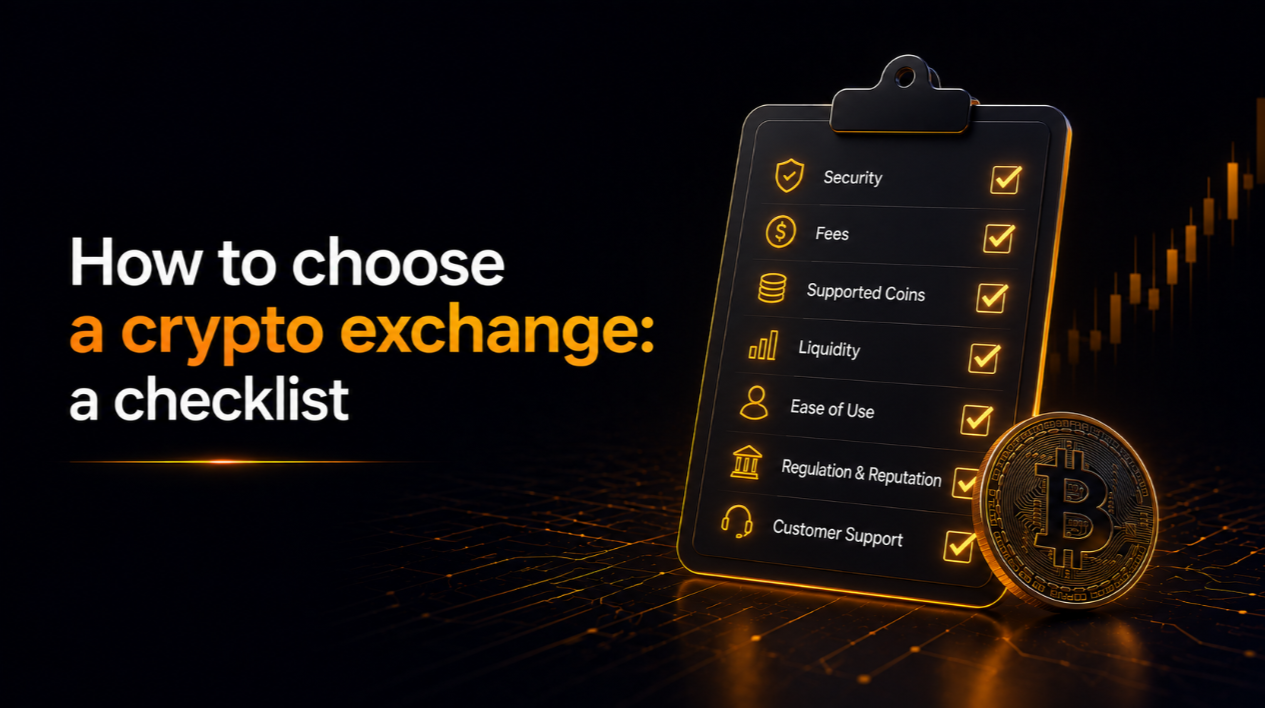
How to choose a crypto exchange: a checklist
Seven questions, ordered by how much each one costs you if you get it wrong. Fees come sixth.