What a hardware wallet actually protects you from
It stops a compromised computer from spending your coins. It does not stop you from approving a transaction that does exactly that.
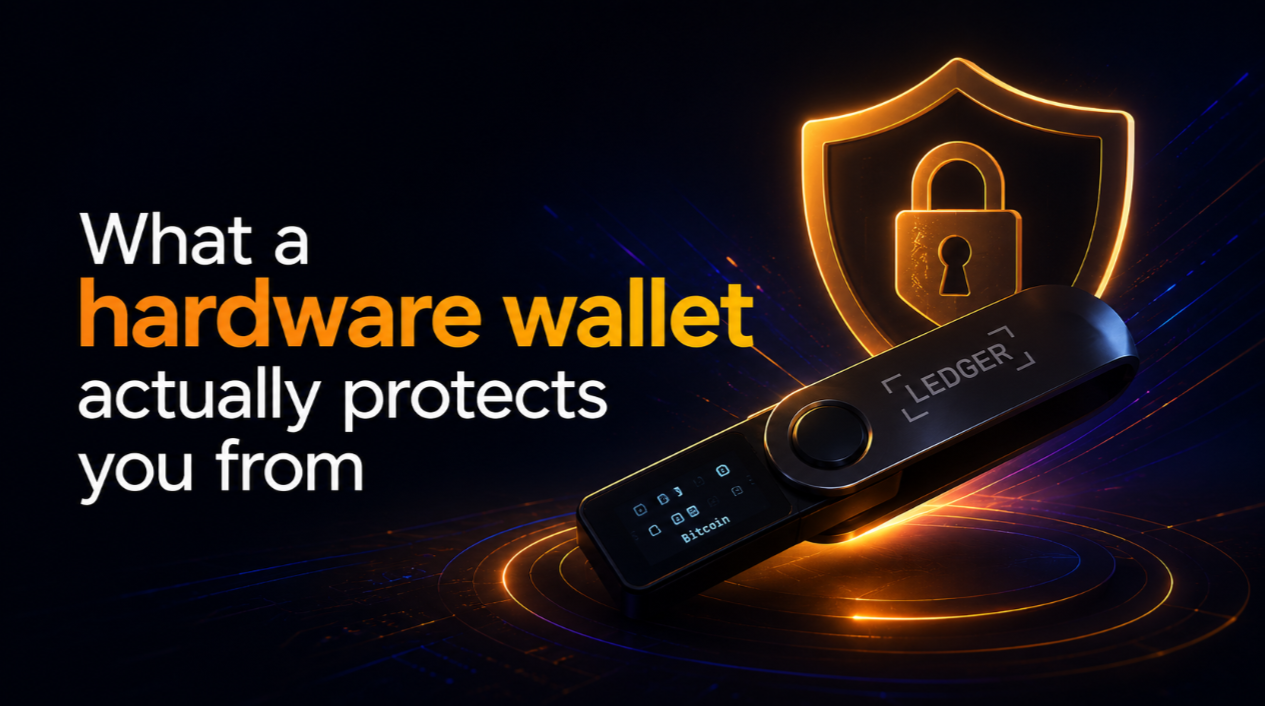
What a hardware wallet actually protects you from
A hardware wallet does one thing: it keeps the private key inside a device that will not release it, and signs transactions there instead. The computer you plug it into never sees the key, even if that computer is entirely under an attacker's control.
Understanding that precisely is worth more than any product recommendation, because it tells you which risks you have removed and which you have not.
What it removes
- Malware that reads keys off a computer. The key was never there.
- Clipboard hijacking, where malware swaps the destination address you copied. The device shows the real destination on its own screen, and that screen is the one display the malware cannot rewrite.
- Remote extraction. There is no software path to export the key in ordinary operation, which is why open firmware matters — it is how you can check that claim rather than take it on trust.
- Physical theft of the device, provided the PIN holds. A stolen device without the PIN is not access, and the recovery phrase restores your funds elsewhere.
The screen is the point
People buy hardware wallets for the secure chip. The chip protects the key; the screen protects the transaction. Without it, you are trusting the compromised computer to tell you honestly what you are about to sign.
How well a device does this varies. Some show you a decoded, human-readable description of what a contract call will do; others show typed data but cannot decode arbitrary calls. Our hardware wallet rating treats that as a first-order criterion rather than a feature bullet.
What it does not remove
- A malicious transaction you approve. If you confirm it on the device, the device signs it. This is the most common way money leaves a hardware-wallet-protected address, and the reason token approvals deserve their own discipline.
- A badly stored recovery phrase. The device is irrelevant if the phrase is photographed, in cloud notes, or in a single location a fire can reach.
- A forgotten passphrase. There is no reset. The 25th word that protects you from someone finding your backup will also lock you out permanently if you lose it.
- Coins you do not hold. A balance on an exchange is unaffected by any device you own.
The realistic threat model
Almost nobody reading this is targeted individually. The threats that actually occur are opportunistic and automated: drainer sites, fake wallet apps, phishing emails to leaked customer lists, and malware that watches for a copied address.
A hardware wallet defeats most of that automatically. The residue — signing something you should not have — is defeated by reading the device screen and by using software that simulates transactions, such as Rabby, before the signature request ever reaches the device.
The chip protects the key. The screen protects the transaction. Buying the first without using the second is half a purchase.
The short version
A hardware wallet removes the entire category of remote key theft and gives you a trusted display for verifying where funds are going. It does nothing about approving a bad transaction, storing your phrase carelessly, or forgetting a passphrase — which, taken together, are where most losses happen. Buy one, then spend your attention on the backup and on what you sign.
Frequently asked questions
What does a hardware wallet actually protect against?+
Remote theft of your private key. The key never leaves the device, so malware on your computer cannot read it, and the device's own screen shows the true destination address, defeating clipboard-swapping malware. It also protects a lost or stolen device, provided the PIN holds.
Can a hardware wallet be hacked?+
Remote extraction of the key is not the realistic threat. The realistic failures are approving a malicious transaction yourself, storing the recovery phrase badly, or losing a passphrase. Physical attacks on specific devices have been demonstrated, but they require the device in hand and specialist equipment.
Do I still need to be careful with a hardware wallet?+
Yes, in one specific way: the device signs whatever you confirm. Read what appears on its screen every time, and use wallet software that simulates transactions so you see the resulting balance changes before the signature request reaches the device.
Does a hardware wallet protect crypto held on an exchange?+
No. A hardware wallet only protects coins held at addresses whose keys it controls. A balance on an exchange is a claim on that company and is unaffected by any device you own — to protect it, withdraw it.
How this was reported
ChainWatch Daily is independent and reader-funded. Stories are written by named journalists and checked against primary sources before publishing. We disclose holdings, correct errors in the open, and never accept payment for coverage.
More like this
The best way to hold bitcoin long term
Not a product list. A decision tree, with the amount that justifies each step up and the failure each step actually removes.
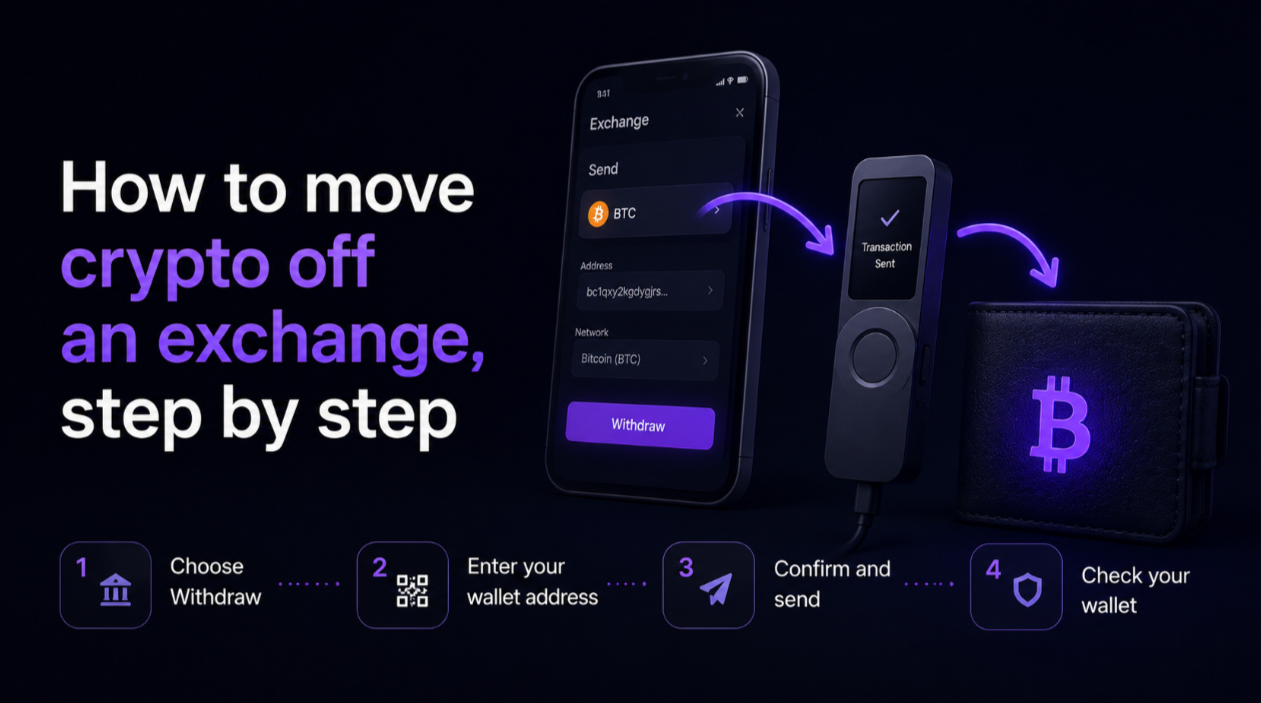
How to move crypto off an exchange, step by step
The withdrawal is the moment where irreversible mistakes happen. Five checks, in order, remove nearly all of them.
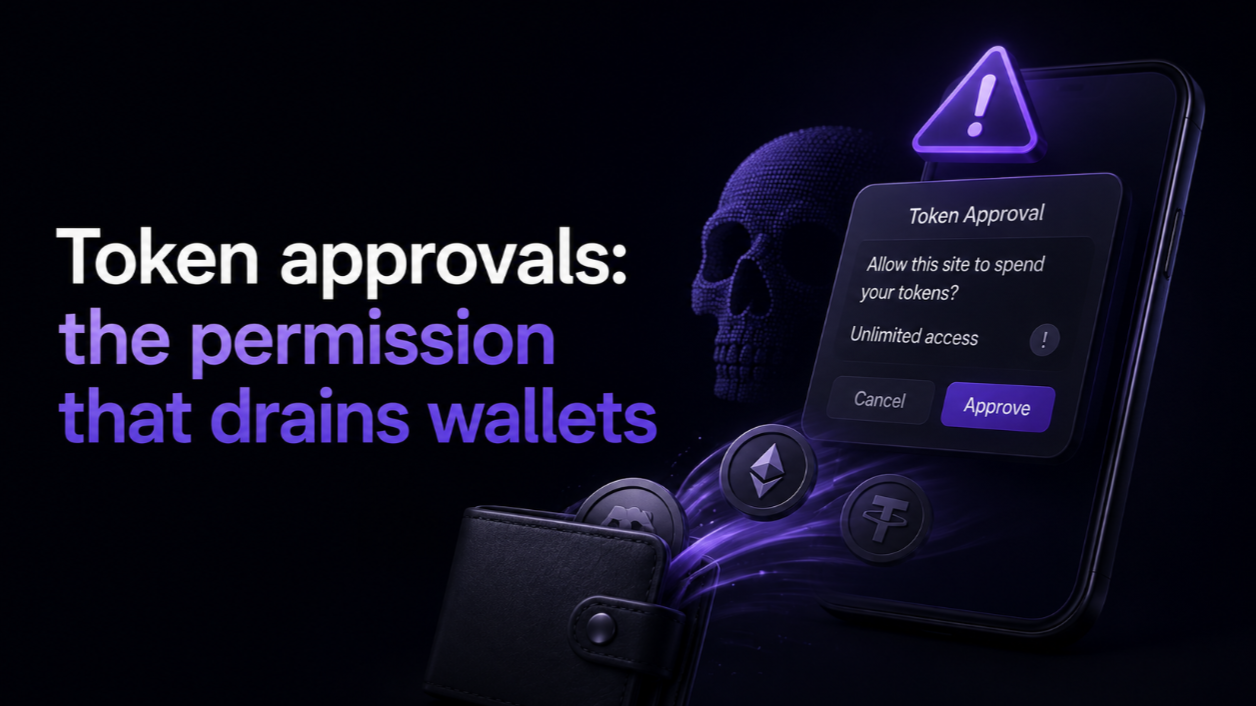
Token approvals: the permission that drains wallets
Most self-custody losses are not break-ins. They are permissions the owner granted, on a page that looked right, and never took back.