Topic
Security
Everything we have published on Security.
13 pieces on Security

What happens to your coins if an exchange goes bankrupt
The answer depends on a legal question most customers never ask: is that balance your property, or the company's?

Is Coinbase safe? What its own filings say
A listed company has to disclose risks its private competitors can leave unsaid. The most useful sentence about Coinbase is one Coinbase wrote.
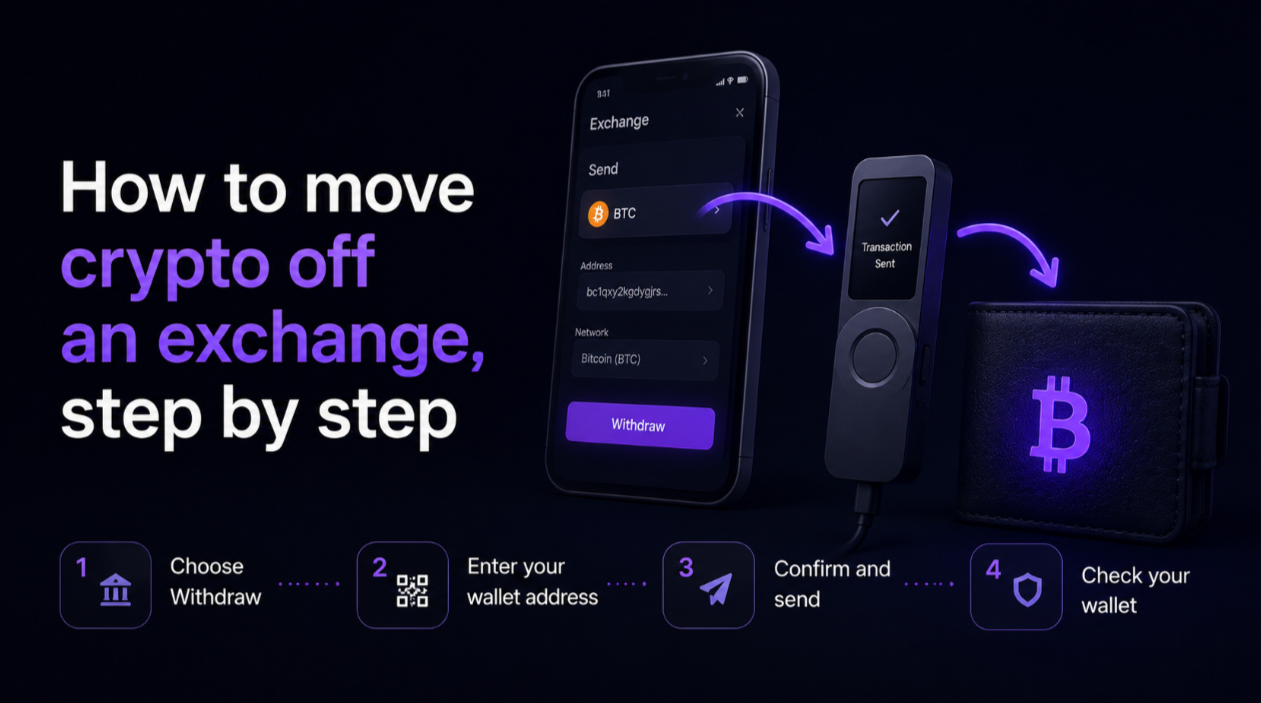
How to move crypto off an exchange, step by step
The withdrawal is the moment where irreversible mistakes happen. Five checks, in order, remove nearly all of them.
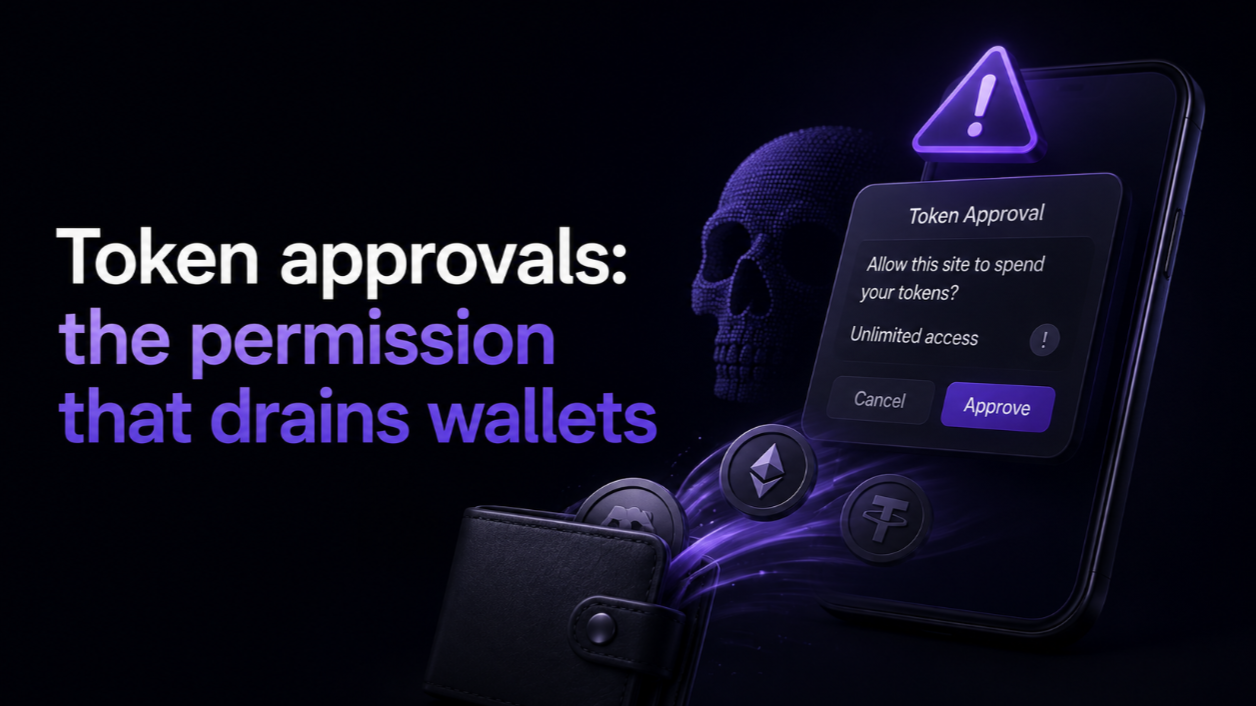
Token approvals: the permission that drains wallets
Most self-custody losses are not break-ins. They are permissions the owner granted, on a page that looked right, and never took back.

What "not your keys, not your coins" leaves out
The slogan is correct and incomplete. Self-custody removes a counterparty and hands you a job — both halves deserve pricing before you act on it.

The seed phrase mistakes that cost people everything
Almost nobody loses a recovery phrase to a hacker. They lose it to a house move, a photograph, a fire, or a split so clever nobody could reassemble it.

Hardware wallet or software wallet: how to decide
The threshold is not an amount. It is whether you can read what you are being asked to sign — and that is a question about the device, not about you.

How to check an exchange is really holding your money
Proof of reserves is the only tool a customer has for verifying a balance exists. Most published proofs do not survive a careful read — here is what separates the real ones.

Where should you actually keep your crypto?
Exchange, software wallet or hardware wallet — the decision is not about ideology. It is about how much you hold, how often you touch it, and what you can verify.

Exchange publishes proof-of-reserves with a zero-knowledge attestation
An exchange has published a proof-of-reserves backed by a zero-knowledge attestation, proving it holds the assets it claims without exposing customer data. But reserves are only half of solvency. The liabilities side is where the real questions live.

Cross-chain bridge resumes operations after a security audit
A cross-chain bridge is back online after pausing for a security audit. The restart is a good moment to understand why bridges concentrate so much risk, how their trust models actually work, and what an audit can and cannot promise.

Self-custody without footguns: a practical security checklist
Most crypto losses are process failures, not exotic hacks. A mechanism-first checklist for hardware wallets, seed backups, hot/cold separation, and the signing mistakes that actually drain wallets.