Do you need a multisig wallet?
The threshold is the point where one recovery phrase becomes the weakest part of your setup — and where you will genuinely maintain three backups instead of one.
Do you need a multisig wallet?
Multisig means funds move only when several keys sign — typically two of three, held in different places. It removes the single point of failure that every ordinary wallet has: one recovery phrase whose loss or compromise is total.
It is also the most over-recommended setup in crypto, because the people recommending it are the people most likely to maintain it correctly.
What it genuinely fixes
- One backup destroyed. A fire that takes one key is survivable, where a fire that takes your only recovery phrase is not.
- One key stolen. An attacker with one of three keys has nothing.
- One device compromised. Signing on two independent devices means a flaw in either is insufficient.
- One person coerced. For holdings large enough that this is a real consideration, a key held by a third party or in a different jurisdiction changes the situation materially.
What it costs
Three backups to create, verify and store — three times the work of the setup most people already do imperfectly.
And a fourth thing that surprises people: the wallet descriptor. A multisig wallet cannot be recovered from the keys alone. You also need the configuration describing how they combine, and losing it means the keys are useless. It must be backed up alongside them, and it is the piece most often forgotten.
Every transaction also becomes a multi-step process across devices. Not difficult, and not something you will do casually.
The inheritance problem
This is where most multisig setups fail in practice. A two-of-three arrangement that only you understand is a two-of-three arrangement your family cannot execute.
Solving it means written instructions someone non-technical can follow, stored somewhere they will find them, describing what the keys are, where they are, what the descriptor is and how to combine them — without that document itself becoming the vulnerability. It is genuinely hard, and skipping it converts a security improvement into a guarantee that the funds are lost.
Where the threshold actually is
Multisig is worth it when a single-key failure would be catastrophic, and when you will realistically maintain three backups plus a descriptor rather than intending to.
Below that, the honest upgrade path is cheaper and better: a metal backup, a second copy in a different building, and a tested recovery. That removes the same fire-and-flood risk for a fraction of the complexity. A threshold device like Cypherock X1 — a two-of-five split across a device and four cards — is a middle option that gets much of the benefit without a descriptor to lose.
How to do it if you do
- For bitcoin, Sparrow is the standard coordinator — it supports hardware signers, runs over Tor and treats your own node as a first-class path.
- For EVM chains, Safe is the most audited contract set in our software wallet rating, with an honestly published fee.
- Use keys from different manufacturers, so a flaw in one vendor does not affect two of your three.
- Back up the descriptor with every key, not in one place.
- Practise a recovery with a small amount before you rely on it — and repeat it annually, because the setup you cannot execute is the setup you do not have.
Multisig removes the single point of failure and replaces it with a maintenance obligation. Take it on only if you will actually meet it.
The short version
Multisig is the correct answer above the amount where losing one phrase would be catastrophic — and only if you will maintain three backups, a descriptor, and a recovery plan your heirs can follow. Below that, a metal backup in two buildings does most of the same work with a fraction of the risk of getting it wrong.
Frequently asked questions
Do I need a multisig wallet?+
Only if a single-key failure would be catastrophic and you will genuinely maintain three backups plus the wallet descriptor. Below that threshold, a metal recovery-phrase backup stored in two separate buildings removes most of the same risk with far less that can go wrong.
What is a wallet descriptor and why does it matter?+
It is the configuration describing how the keys in a multisig combine. Multisig funds cannot be recovered from the keys alone — without the descriptor the keys are useless. It must be backed up alongside every key, and it is the piece people most often forget.
What is the best multisig wallet?+
For bitcoin, Sparrow is the standard coordinator: hardware-signer support, Tor built in, and your own node as a first-class option. For EVM chains, Safe has the most audited contract set in our software wallet rating and publishes its fee openly.
Is multisig safer than a hardware wallet?+
It removes a different risk. A hardware wallet protects a key from a compromised computer; multisig means no single key loss or compromise is fatal. The trade-off is three backups, a descriptor, and an inheritance plan — complexity that becomes its own failure mode if unmaintained.
How this was reported
ChainWatch Daily is independent and reader-funded. Stories are written by named journalists and checked against primary sources before publishing. We disclose holdings, correct errors in the open, and never accept payment for coverage.
More like this
Air-gapped wallets: when the extra step is worth it
A device that never connects to anything removes a whole class of attack, and adds friction to every single transaction. Both halves are real.
The best way to hold bitcoin long term
Not a product list. A decision tree, with the amount that justifies each step up and the failure each step actually removes.
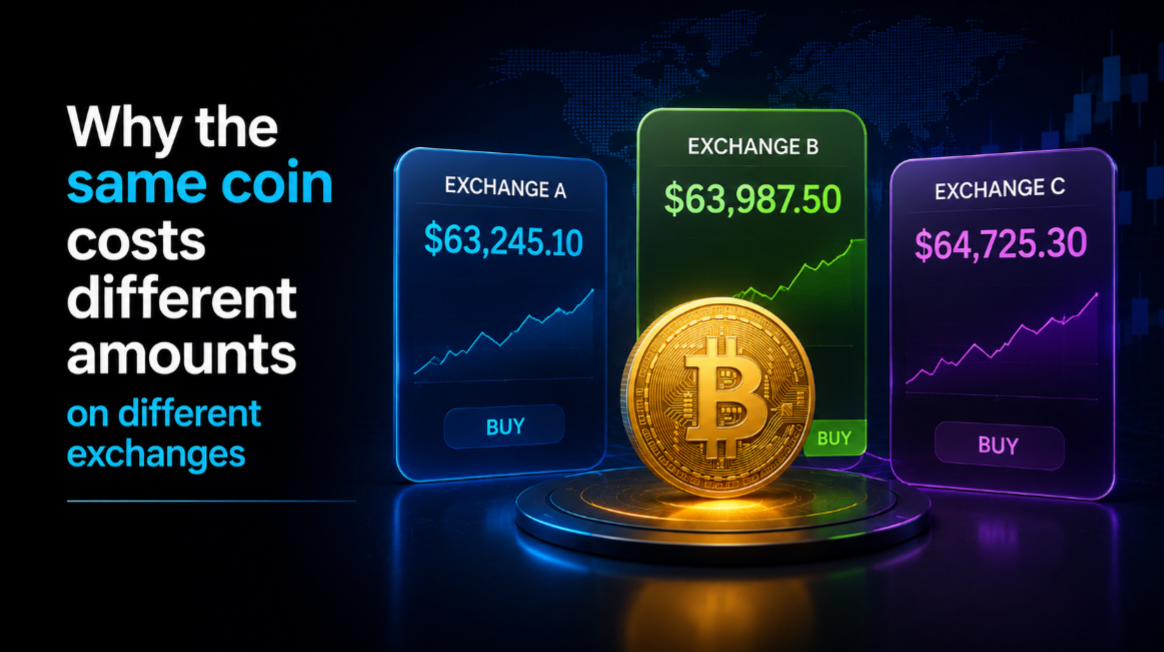
Why the same coin costs different amounts on different exchanges
There is no single price. There is a book on each venue, and the number you see on a price site is an average of places you are not trading.